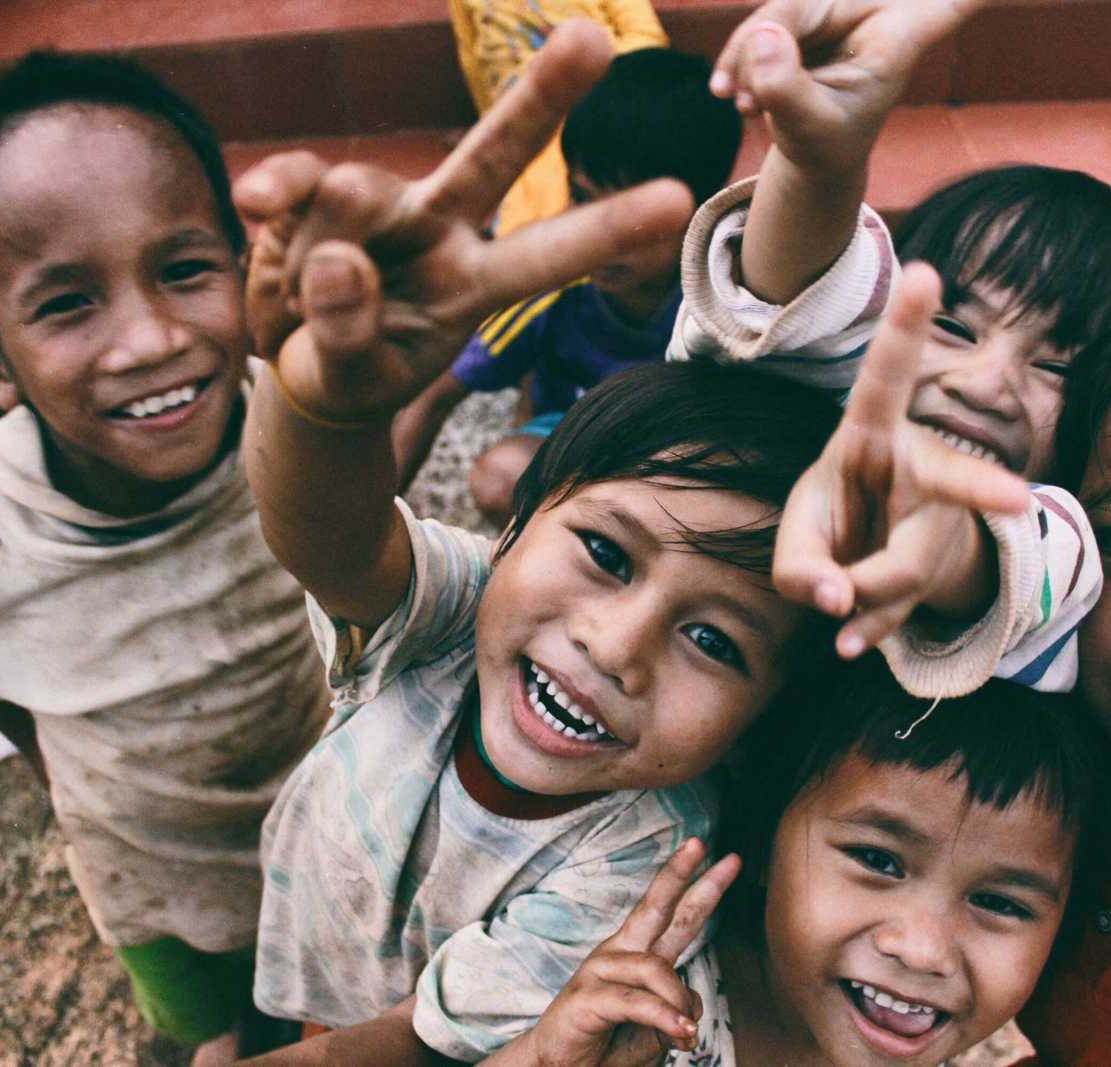
The issue of poverty is more important this year because of the pandemic’s impact on employment and poverty due to the devastating impact of COVID-19. According to the estimates, the population below the poverty line may increase,Unemployment may rise and many informal workers may fall into poverty.
For a nation that managed to cut poverty sharply from 2011 to 2019, the coronavirus pandemic in 2020 came as a rude shock. The pandemic hit India in 2020 when the country’s economy was already struggling and income levels were falling.
The unemployment rate had also peaked to its highest in over four decades. The fact that the poverty-stricken population has doubled worries many economists.
While there is no official data after 2011 to determine the country’s poor population, the United Nations in 2019 estimated it to be 364 million (36.4 crore) or 28 per cent of India’s population.
SECOND WAVE IMPACT
The impact of the second wave on the economy will be worse than expected, according to a recent report by Nomura. Economists who have authored the report have cited tighter curbs that are severely impacting businesses, especially smaller firms.
While economists had earlier expected the second wave to only upset economic growth in the near term, the situation changed rapidly with more states opting for a near-complete lockdown to prevent the rapid surge in Covid-19 cases. On Thursday, India reported over 3 lakh Covid-19 cases and over 2,100 deaths.
Economic activity has come to a grinding halt in key urban centres such as Maharashtra and Delhi-NCR. Many other states have imposed localised lockdowns as the second wave shows no signs of slowing down.
The restrictions on mobility have amplified losses for small businesses, which were yet to recover from the initial impact of the pandemic. Several sectors such as aviation, tourism, retail, entertainment and restaurants are again worried, fearing a repeat of 2020.Experts estimate that if vaccinations are not ramped up and the virus is not contained by the end of May, it could have a severe impact on business activity ultimately leading to massive loss of jobs and income. That could push more Indians into poverty.
Mohammad Alam is one of the thousands of poor living in Delhi, the capital of India. He is standing in the queue for the ration received by the government. Mohammad Alam Government Dal-Rice Waiting to get.The factory where he used to work as a daily wage has shut down and his source of income has also come to a standstill. He is worried about how Alam will feed his family in the coming times. He says, “I don’t know how I will live. I will have to borrow money to feed my family.
Union Finance Minister Nirmala Sitharaman said in a press conference on the same day that “any one hungry
Due to the corona virus infection, at a time when lakhs of people are in their homes in the country and they are taking full advantage of the online delivery system and they are also able to get the desired things sitting at home.
Economy was weak even before Corona
Even before the corona virus reached India, the condition of the country’s economy was worrying.Once the world’s fastest growing economy, the growth rate last year was 4.7%. This was the lowest level of growth in six years.Unemployment in India was at a 45-year high in 2019 and industrial production in the country’s eight core sectors fell by 5.2% at the end of last year This was the worst situation in the last 14 years. In short words, the economic condition of India was already in bad shape.
unemployment
Unemployment in India is still at a record level and if this situation continues, then those working in the unorganized sector will have to face great difficulty.People working in small business will either be forced to work for less money or they will lose their jobs. I know places where there are discussions going on in companies about how many people to be fired.
 garibi hatao garibo ko nhi